DRP1 and Bardet-Biedl Syndrome (BBS)
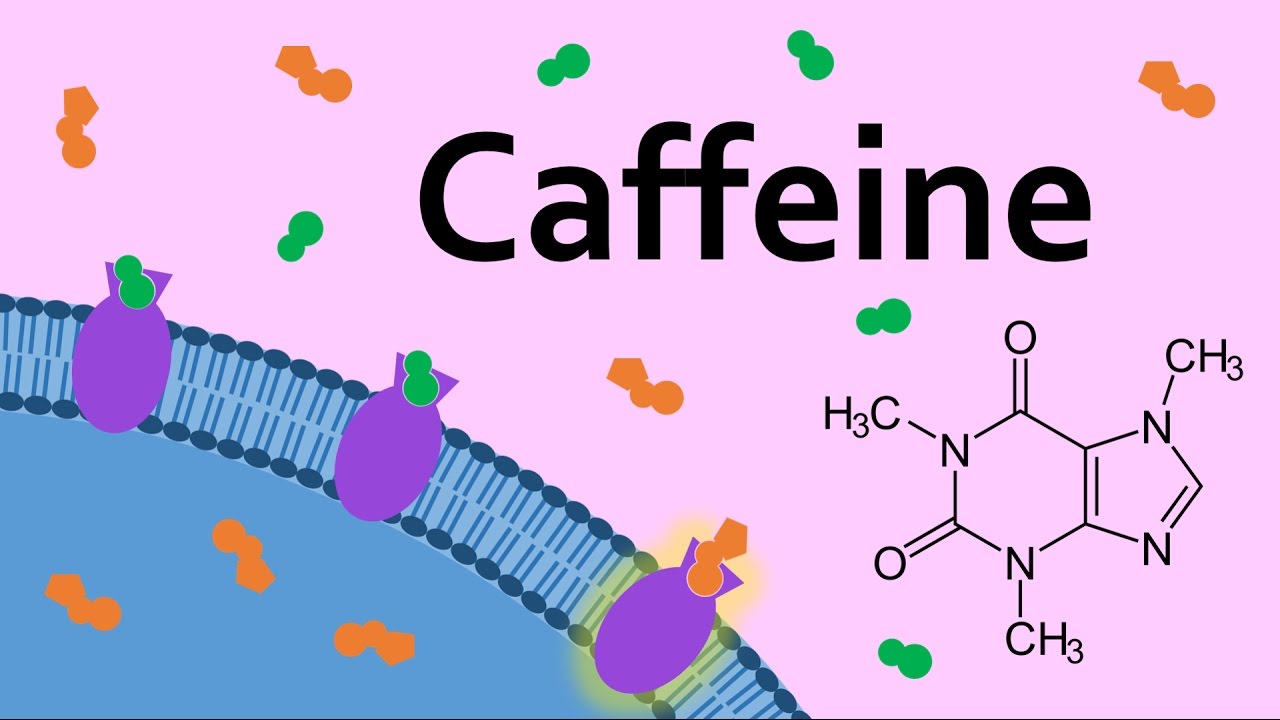
Caffeine and Forskolin’s Potential Role: Early research suggests that caffeine may help improve mitochondrial function in Bardet-Biedl Syndrome (BBS). By promoting the activity of DRP1, a key protein involved in maintaining healthy mitochondria, caffeine might help with some symptoms of BBS, such as metabolic issues and obesity, although this has not yet been confirmed in people with BBS.
Caffeine appears to promote mitochondrial fission, a process that is important for energy production and cell function. Studies on the DRP1 pathway suggest caffeine could have some benefit for certain neurological or metabolic symptoms associated with BBS. These findings are still preliminary and come mainly from laboratory research, so caffeine should not be seen as a treatment for BBS. It may, however, be something worth trying as part of supportive care.
Based on the studies below, doses of around 2–3 mg per kilogram of body weight per day (approximately 1–1.4 mg per pound) might have some effect on appetite regulation, body weight, and BMI. For a 5-year-old child weighing approximately 18 kg (40 pounds), this would be about 36–54 mg of caffeine per day. For adults, the equivalent is typically around 150 mg or more, depending on body weight. Caffeine is widely consumed and generally considered safe at low intake levels, but people respond to it differently, and children can be more sensitive to its effects. Some people may notice changes within a few days, while others may notice none at all. If you decide to give it a try, please talk to your (or your child’s) doctor first, start low, watch for side effects such as poor sleep, restlessness or a racing heart, and be aware of possible interactions with other medications. Health Canada suggests children aged 4–6 have no more than about 45 mg of caffeine a day, which is roughly 2.5 mg/kg.
Key papers:
Younes Rouabhi, Deng Fu Guo, and Kamal Rahmouni (2025). Caffeine and SS-31 are Potential Treatments for Bardet-Biedl Syndrome via Improvement of Mitochondrial Function. https://journals.physiology.org/doi/abs/10.1152/physiol.2025.40.S1.0655
Guo, D.F., Zhao, Y., Laule, C., & Rahmouni, K. (2025). BBSome: An essential component of hypothalamic regulation of energy homeostasis. Reviews in Endocrine and Metabolic Disorders, https://doi.org/10.1007/s11154-025-09979-0. https://link.springer.com/content/pdf/10.1007/s11154-025-09979-0.pdf
Guo, D.-F., Merrill, R. A., Qian, L., Hsu, Y., Zhang, Q., Lin, Z., Thedens, D. R., Usachev, Y. M., Grumbach, I., Sheffield, V. C., Strack, S., & Rahmouni, K. (2023). The BBSome regulates mitochondria dynamics and function. Molecular Metabolism, 67, 101654. https://doi.org/10.1016/j.molmet.2022.101654
Zhou, Y., Zhao, X., Ye, W., Liu, Y., Zhang, W., Yang, X., & Yu, F. (2021). Caffeine and its pharmacological effects: A review. Acta Pharmacologica Sinica, 42(1), 12–22. https://doi.org/10.1038/s41401-021-00623-6